Parkinson’s and Movement: Why Cues and Exercise Matter
 By Dr. Disha Shah
 01 Nov, 2026
 By Dr. Disha Shah
01 Nov, 2026
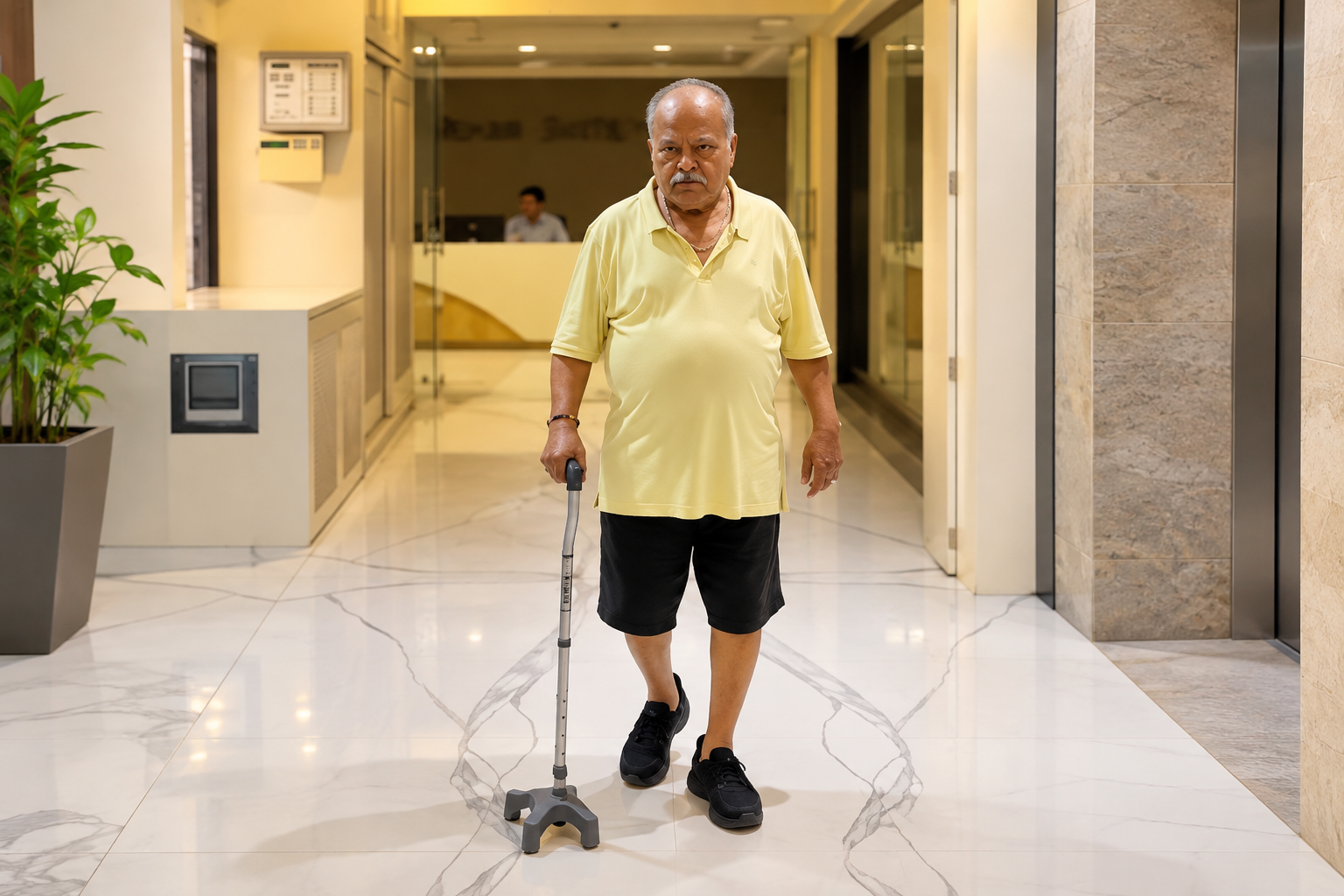
Many families first notice Parkinson’s not as a tremor, but as small changes in movement. Steps get shorter. Turning in bed takes effort. Handwriting shrinks. The feet suddenly feel “stuck” at a doorway. Walking, which used to happen without thinking, now takes conscious effort.
This is the heart of Parkinson’s movement problems. The brain’s automatic movement system, which runs on dopamine, becomes less reliable. The good news is that the brain can still be guided to move well in other ways. That is where cues, exercise and robotics come in.
When automatic movement falters, the brain can use a different route: deliberate, externally guided movement. Cues give it that outside signal.
Cues are not a cure, but for many people they make walking safer and less frightening, especially around freezing episodes.
Exercise is one of the most important parts of Parkinson’s care. Regular, targeted exercise improves walking speed, stride length, balance, flexibility and strength. It lowers the risk of falls and supports confidence, mood, sleep and daily independence. The most helpful programs are consistent, challenging enough to matter, and designed around the individual.
Parkinson’s is a long-term condition. It cannot be reversed, and physiotherapy does not promise a cure. What it can do is help you move better, for longer, and keep daily life easier for the patient and the family.
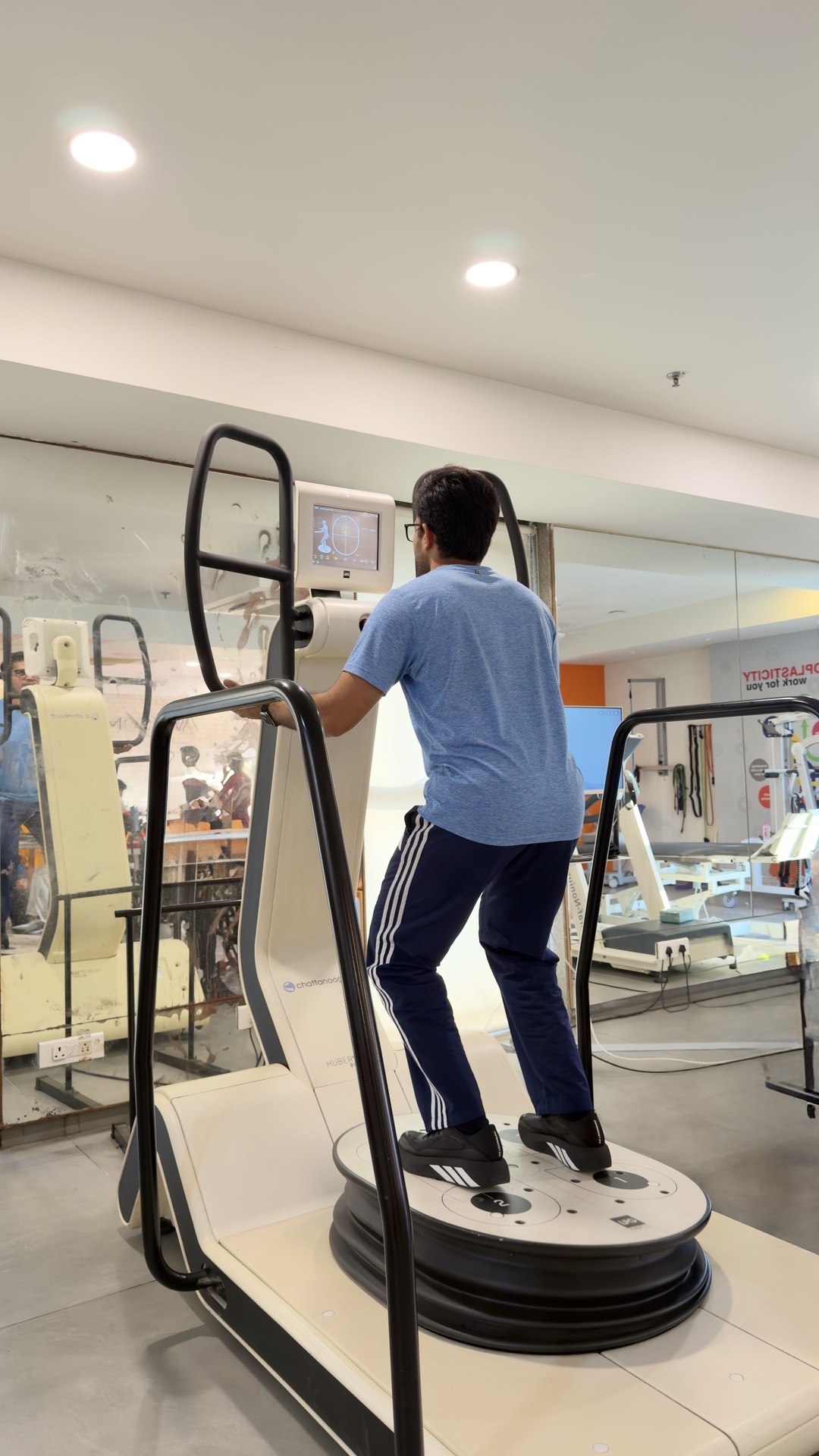
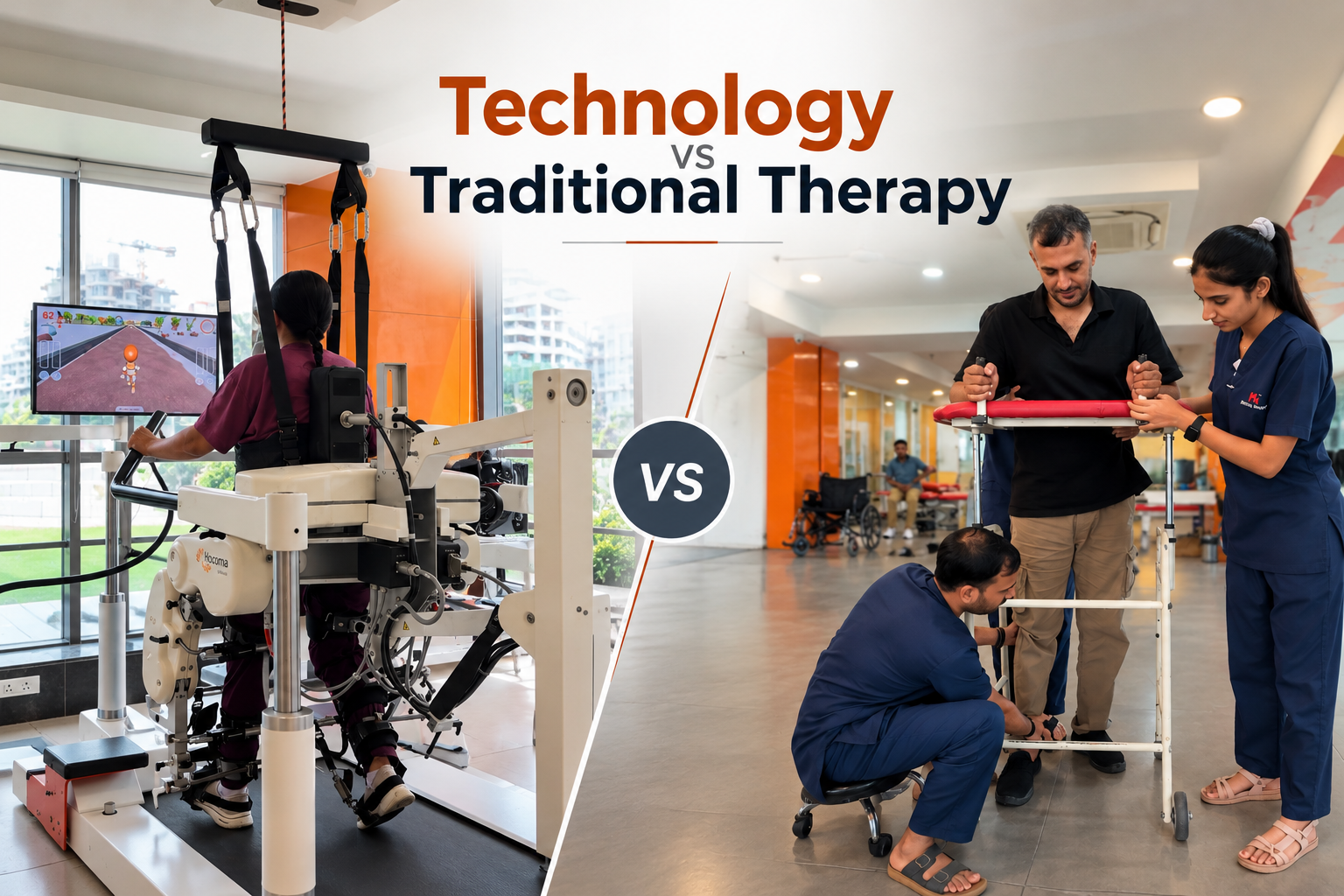
Movement relearning depends on repetition, correct movement and constant feedback. Doing this by hand alone is tiring for both patient and therapist, and practice often stops before the brain has had enough. Robotics solves this.
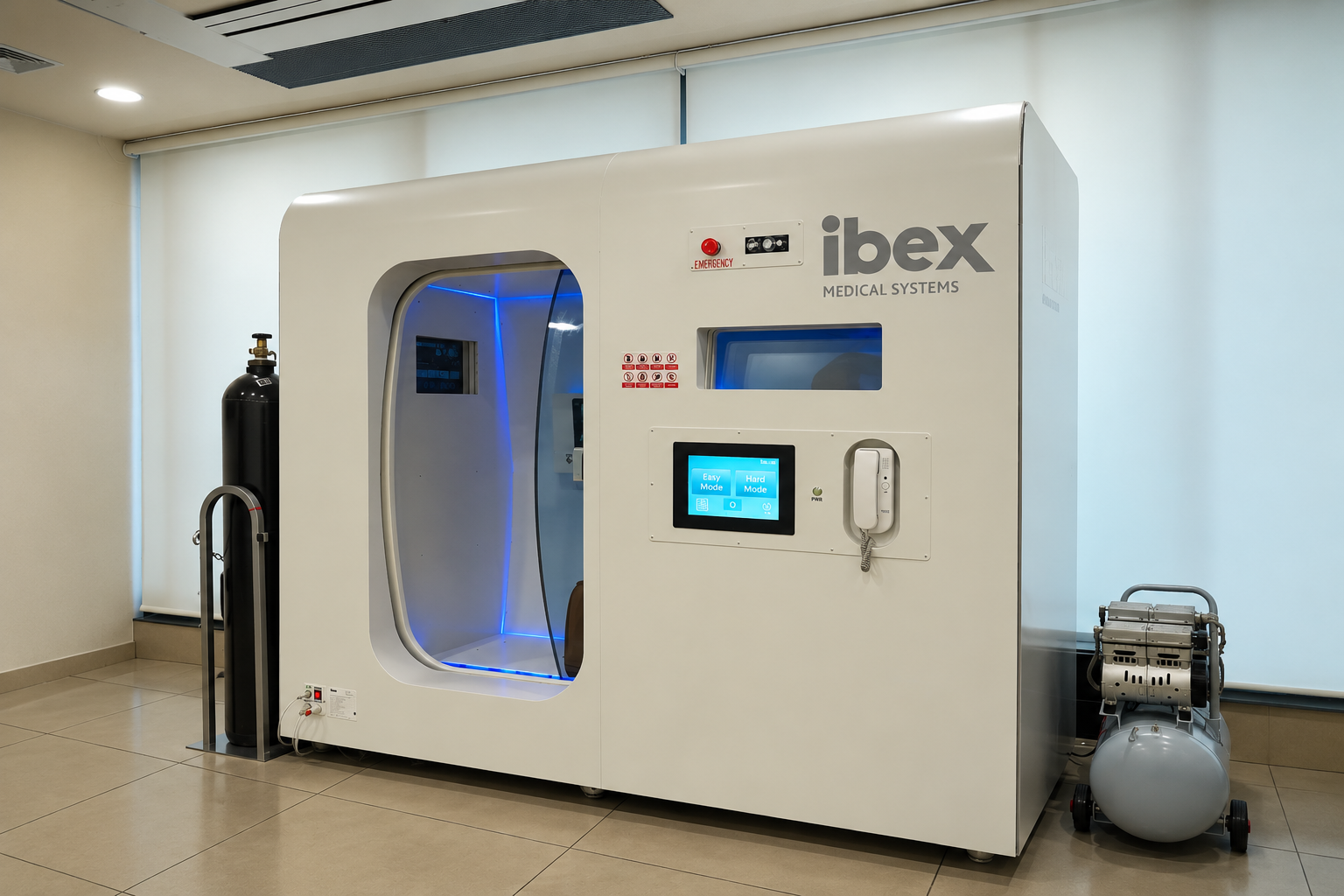
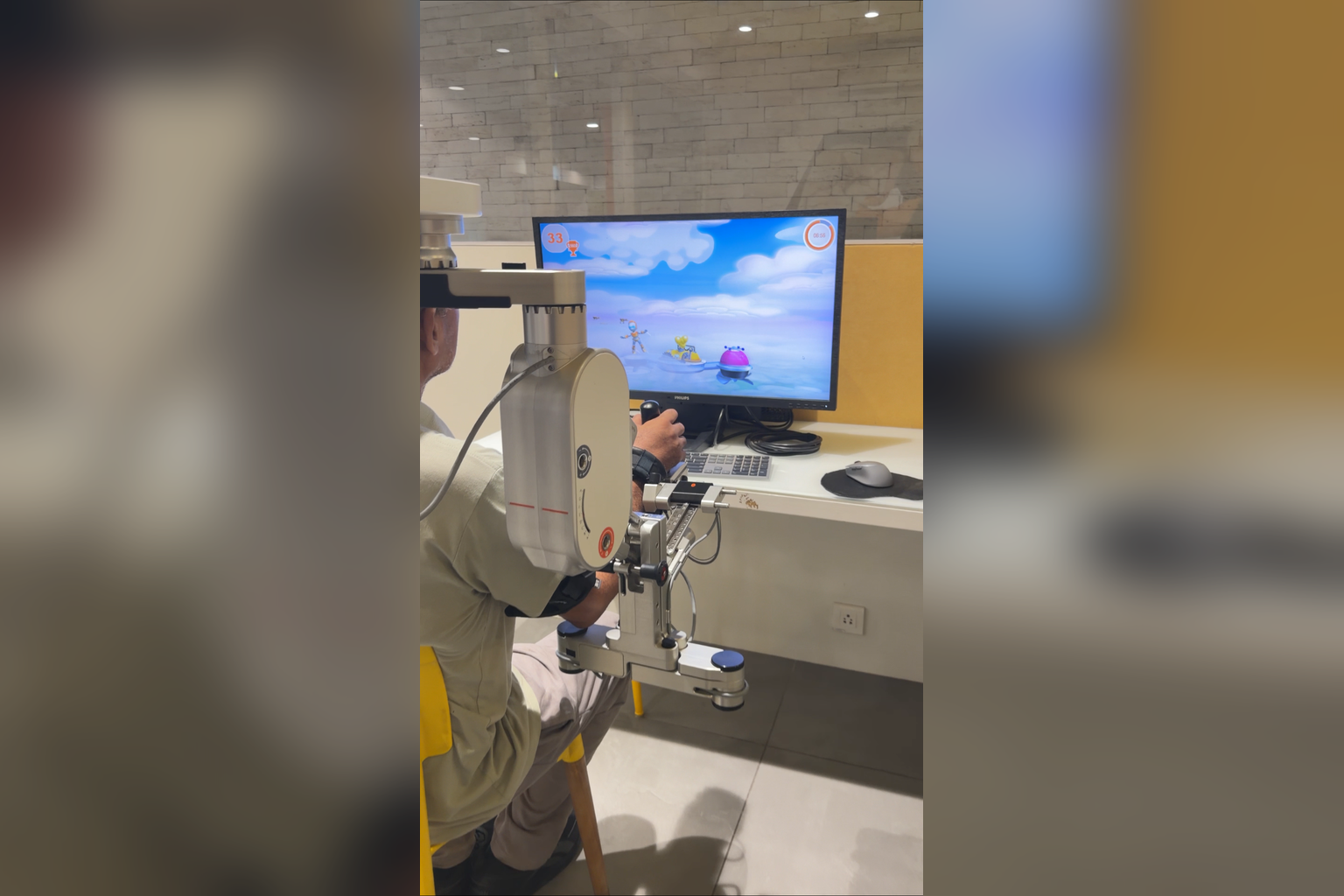
Parkinson’s affects the whole chain of movement, from the first step to the final grip, so we train all of it. Mission Health brings robotic rehabilitation for every part of that chain under one roof:
The robotics add what hands alone cannot: tireless repetition, precision and a clear record of progress.
Parkinson’s may be lifelong, but how well you move through it is not fixed. Guided cues, regular exercise and robotic-assisted training can help you walk with more confidence, use your hands more easily and stay independent in everyday life.
At Mission Health, we build a personalised plan around exactly that: keeping you moving, safely and steadily, at every stage.
If slower movement, shuffling steps, freezing or balance problems have started to show, an early assessment is the best place to begin. Book your assessment at Mission Health today.
 Dr. Janardan Mishra
 Dr. Aalap Shah
 Dr. Richa Ojha
 Dr. Bansari Patel