Ice or Heat? The Ultimate Guide to Choosing the Right Therapy for Pain Relief
 By Dr. Richa Ojha
 04 Apr, 2026
  By Dr. Richa Ojha
04 Apr, 2026
By Dr. Richa Ojha
04 Apr, 2026
Pain can strike anytime—during a workout, on the field, or even while doing everyday tasks at home. A sudden knee twinge at the gym, a pulled muscle while playing cricket, a twisted ankle on the road, or a stiff neck after sleep—all feel similar, but need different care.
The common confusion is: ice or heat?
This ice vs heat
therapy is a very long-standing confusion that needs to finally get
fact-checked, as if done wrongly, it can not only be a waste of time but also
delay recovery or even worsen it !
There’ll be a
breakdown of when one should use cold therapy for injuries and when one
should use heat therapy for pain relief and also an explanation of why the
right therapy matters for long-term healing.
Ice Packs (Cold
packs): Best for Fresh, Sudden Injuries
Cold therapy is also
known as cryotherapy mostly effective in the early stages of an injury more
specifically in the first 24-48 hours.
You should use ice
when you experience sprains, ligament tears, sports injuries, sudden impact
injuries, swelling or inflammation or very recent injuries.
The science behind cold
therapy for injuries is that when an injury occurs, our body instantly
activates an inflammatory response to the injury like swelling, heat, redness
or pain.
Vasoconstriction is
caused by applying ice in which blood vessels narrow and the excess blood flow
slows down, which causes swelling.
Cold therapy for
injuries leads to a reduction
in inflammation, minimized swelling, slower pain signals reaching the brain and
less tissue damage.Ice
pack controls the micro bleeding in initial phases
By research, we learn
that cryotherapy reduces pain by 45% in ankle sprains and swelling related
injuries, also in few cases, within the first 48 hours, applying ice helps
limit tissue damage and accelerates long term recovery. Icing protects the
injury in the most vulnerable phase.
Heat Therapy (Hot
Water Bag / Warm Compress): Best for Stiffness & Chronic Pain
Heat therapy for pain
relief is mainly used in
long-standing issues, chronic discomfort or any kind of muscle tension.
One must use heat
therapy for pain relief when they are facing chronic pain, muscle spasm,
joint stiffness, arthritis, menstrual cramps, or long standing lower back or
neck pain.
Heat therapy for pain
relief works in a way that
dilates blood vessels and increases circulation in the targeted area. As much
as the blood flows, that much more oxygen and nutrients reach the tissues.
Heat therapy for pain
relief leads to relaxation
and softness of muscles, reduced stiffness, improved joint mobility, faster
relief from tightness and decreased muscle guarding or spasm.
By research, we learn
that heat, like warm towels or hot water bags, is highly effective for chronic
muscle spasms, arthritis, or long standing joint stiffness. Heat therapy also
improves muscle elasticity and reduces stiffness by 25%, especially when one is
suffering from chronic lower back pain. If one’s body is feeling tight, stuck
or even restricted, then heat is the best option.
The Most Common
Mistake: Mixing Up Ice and Heat
The real struggle is
not chronic pain treatment but choosing the right therapy. A few of the
biggest mistakes that people make are -
Applying heat to a
fresh injury is one of the most dangerous errors. In Sports injury
physiotherapy, heat can increase blood flow in the body, which at some
places, can be useful for chronic stiffness, but not in a fresh injury. In a
recent injury, heat therapy can increase the swelling, the pain can get worse,
and recovery can slow down.
Another big mistake
in chronic pain treatment can be applying ice on chronic tightness, cold
tightens muscles, and if one already has stiffness or chronic discomfort, icing
will only make it worse.
How to Know When to
Switch from Ice to Heat?
Within the first 48
hours, cold therapy for injuries works the best. Once you see the
swelling getting reduced but stiffness still remains, then go ahead and shift
to Heat therapy for pain relief. And in case the pain does not appear to
reduce even after heat therapy, then you need a professional evaluation.
When Should You See a
Physiotherapist?
Ice vs heat therapy can only help up to a limit, but if
the pain does not seem to go away then consult a professional before it gets
too late. One should never underestimate the severity of an injury. The pain
lasts for more than 48 hours, or keeps getting worse over time, affects your
movement or keeps returning again and again, then it’s time to see an expert.
Injuries can vary from ‘just an injury’ to something way more than you can
expect. Injuries can cause imbalance, weakness, and movement-related
dysfunctions that require structured rehabilitation.
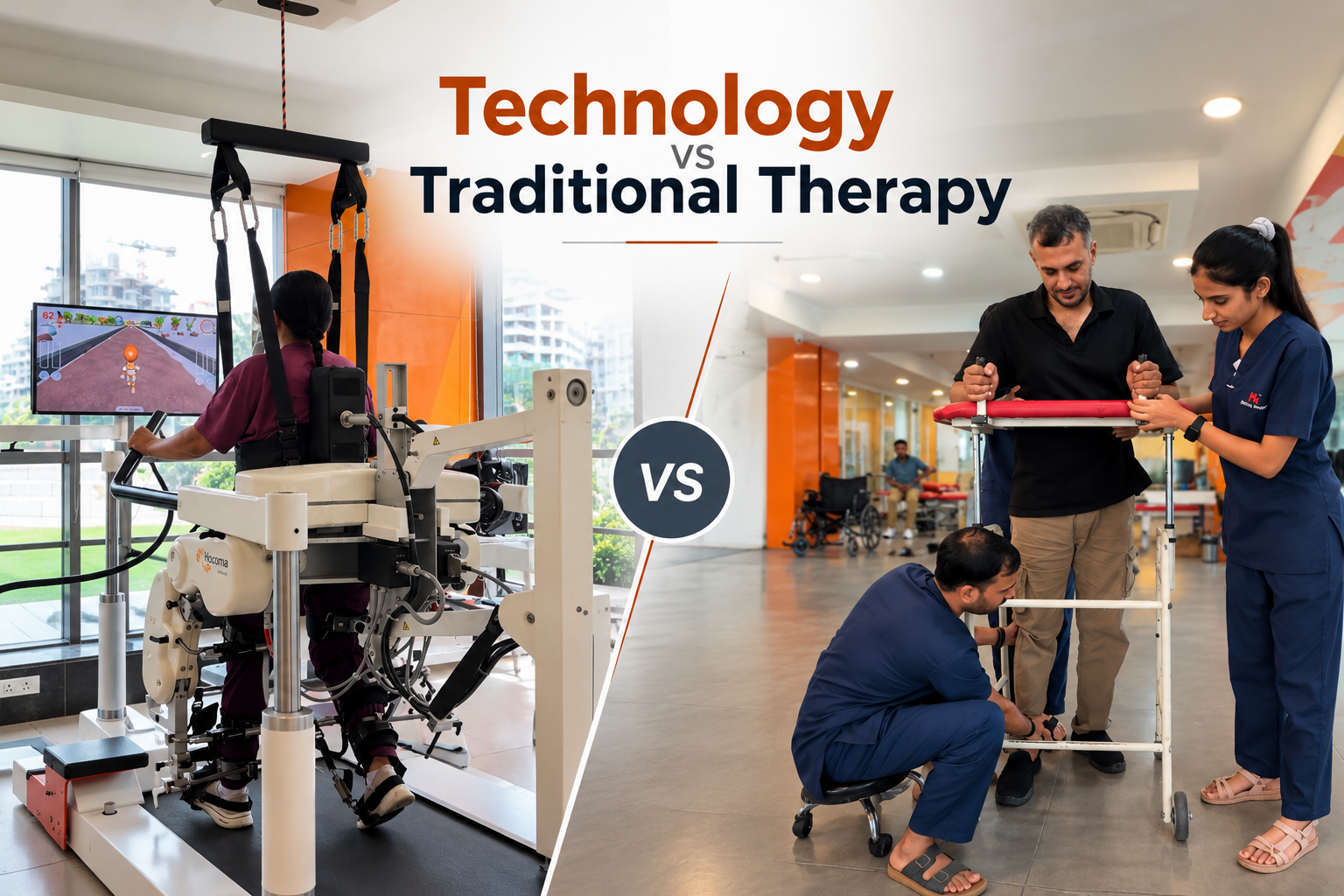
At Mission Health
Rehabilitation Centre, we use advanced, science-backed approaches to treat both
acute and chronic pain—whether it’s a sudden injury like a sprain or
long-standing issues like back or joint pain. Our treatments are designed not
just to relieve pain, but to support faster recovery and long-term healing.
Our process begins
with a detailed assessment of the injury to identify the root cause of the
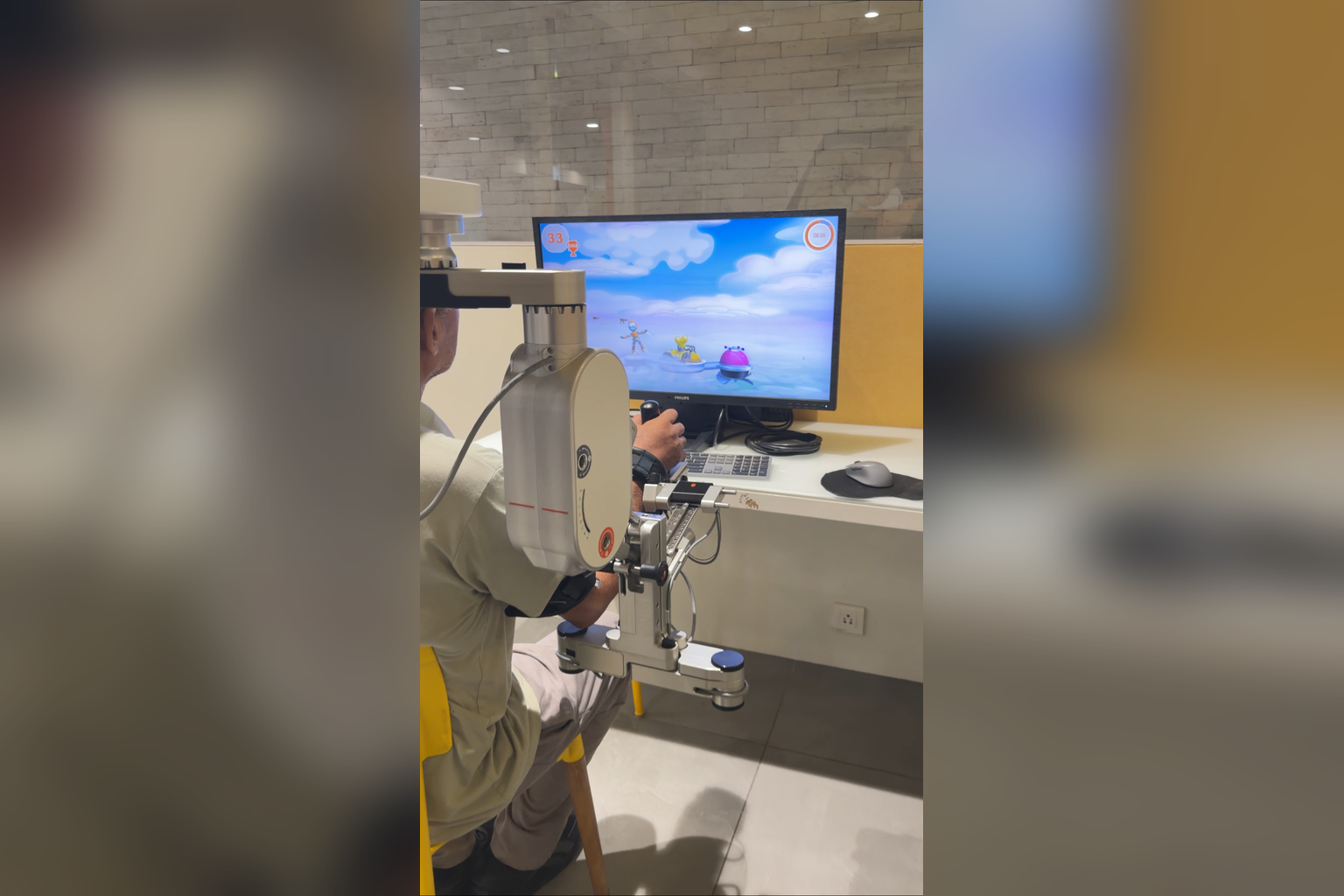
pain. Based on your condition, we use a combination of manual therapy, advanced
technologies, muscle activation, and targeted strengthening to ensure effective
recovery and long-term results.. We also offer functional training and guidance
for long term recovery. Mission Health rehabilitation ensure you heal
entirely and not just a temporary pain relief.
Final Takeaway
The next time you experience pain after an
injury, start with ice for the first 24–48 hours to control swelling and
inflammation. Once the swelling settles, switch to heat therapy to relax
muscles and support healing—don’t mix the two at the wrong stage.
If
swelling persists or the pain doesn’t improve, it’s important to consult a
professional. For an accurate diagnosis and faster, more effective recovery,
Mission Health Rehabilitation Centre is here to help you heal better and get
back to a healthier, pain-free life.

 Dr. Disha Shah
 Dr. Aalap Shah

 Dr. Bansari Patel
 Dr. Janardan Mishra