HUBER 360®: Where Movement Becomes Measurable, Trainable & Smarter
 By Dr. Janardan Mishra
 07 Oct, 2026
  By Dr. Janardan Mishra
07 Oct, 2026
By Dr. Janardan Mishra
07 Oct, 2026
This is where HUBER 360® brings a different dimension to rehabilitation and performance training.
The human body rarely moves in a single direction. Walking, changing direction, reaching, balancing and playing sports all require the body to continuously adjust its position and centre of gravity.
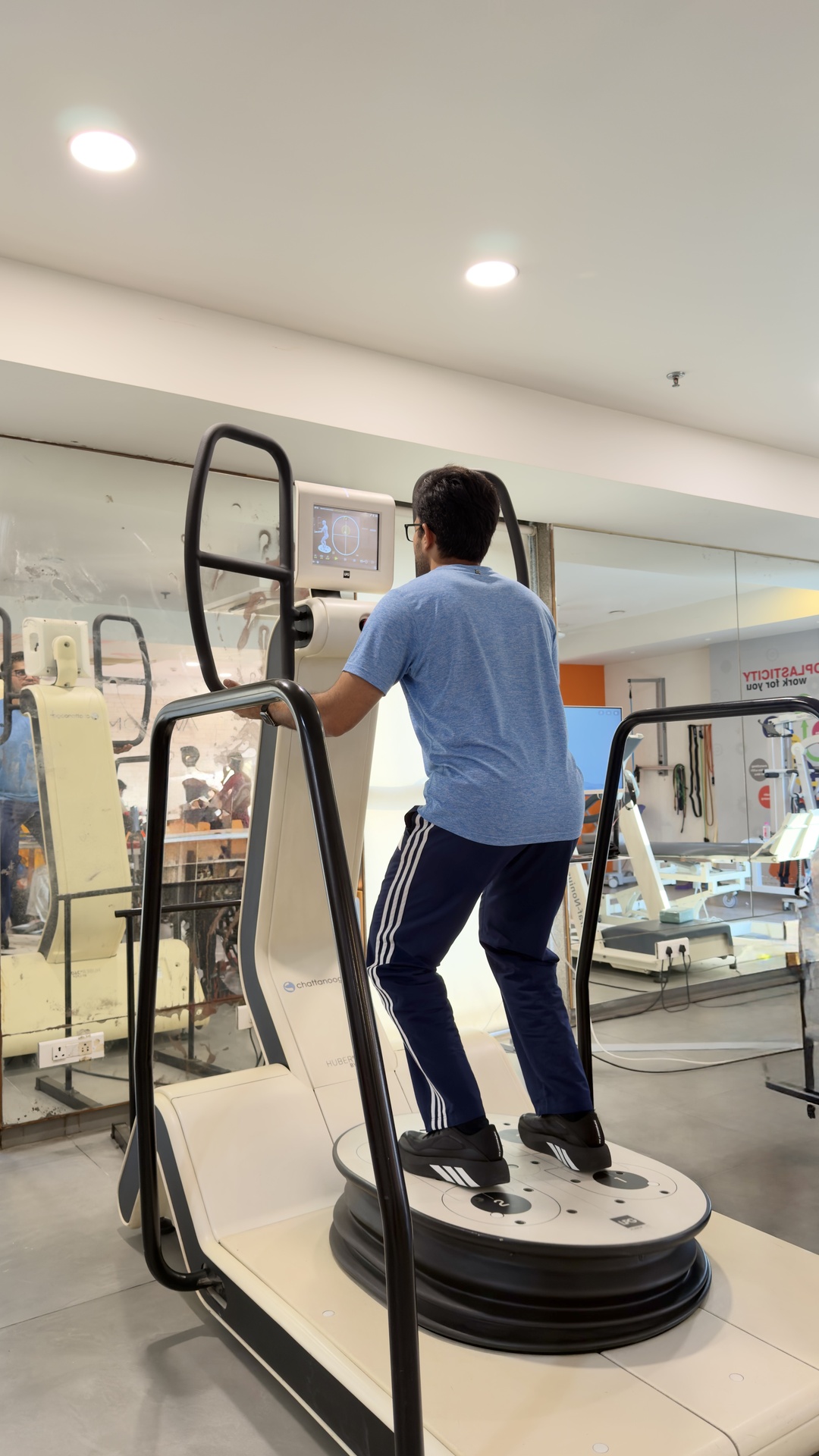
HUBER 360® is a multi-axis motorised platform with force sensors and real-time visual feedback, designed to assess and train different aspects of movement. It works across key movement fundamentals including mobility and flexibility, dynamic strengthening, posture and balance, coordination and endurance.
Rather than simply asking whether a person can perform a movement, the technology helps therapists understand how that movement is being performed.
Effective rehabilitation begins with understanding the individual.
HUBER 360® incorporates functional assessments that can look at stability, single-leg balance, walking, limits of stability, mobility restrictions, strength and coordination. This information can help physiotherapists identify movement limitations and use them to guide an individual's rehabilitation or training programme.
The result is a more measurable and progressive approach to movement training.
After knee surgery, including total knee replacement, or an ankle injury, recovery goes beyond reducing pain.
The body needs to rebuild strength, balance, weight-shifting ability, proprioception, coordination and functional control.
HUBER 360® can be integrated into rehabilitation to progressively challenge these abilities according to the individual’s stage of recovery—helping bridge the gap between basic rehabilitation and confident, functional movement.
For athletes, this progression becomes even more important. Being pain-free does not always mean being ready to perform. Returning to sport requires the ability to accelerate, decelerate, change direction, maintain balance and respond to unexpected demands.
With its dynamic and interactive training environment, HUBER 360® can challenge neuromuscular control, balance, coordination, reaction and agility, making it a valuable tool in the transition from rehabilitation to sports performance.
HUBER 360® is not limited to injury rehabilitation.
Its training approach can address mobility, dynamic strength, posture, balance and endurance, making it relevant for individuals looking to improve functional fitness and movement capacity.
Instead of training fitness in isolation, the focus shifts towards building a body that can move, control and respond efficiently.
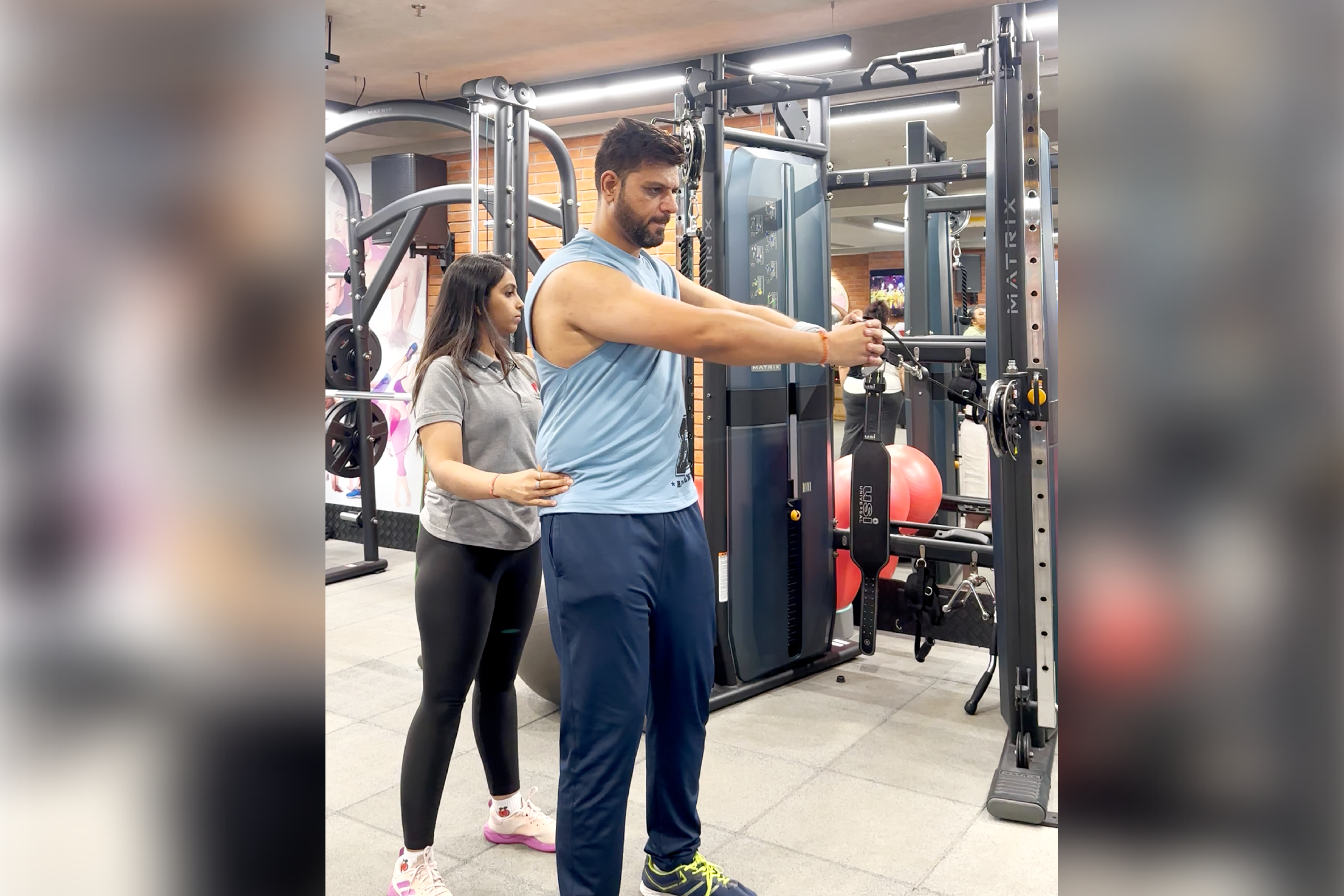
One of the key advantages of technology-assisted rehabilitation is the ability to receive real-time feedback.
Instead of simply performing an exercise, the individual can see and respond to their movement, while the physiotherapist can use this information to adjust the challenge and progression. This can support better movement awareness, control and engagement.
At Mission Health, HUBER 360® is integrated into our approach to advanced functional rehabilitation, sports physiotherapy and movement training.
By combining technology with clinical assessment and physiotherapy expertise, the focus remains on what matters most: understanding the individual's limitations, setting meaningful goals and progressively building the movement capacity required for everyday life, recovery or performance.
Because the future of rehabilitation is not just about recovering movement.
It is about rebuilding the ability to use that movement — with confidence, control and purpose — in real life.

.
Dr. Janardan Mishra

 Dr. Aalap Shah

 Dr. Richa Ojha

 Dr. Bansari Patel

 Dr. Disha Shah